


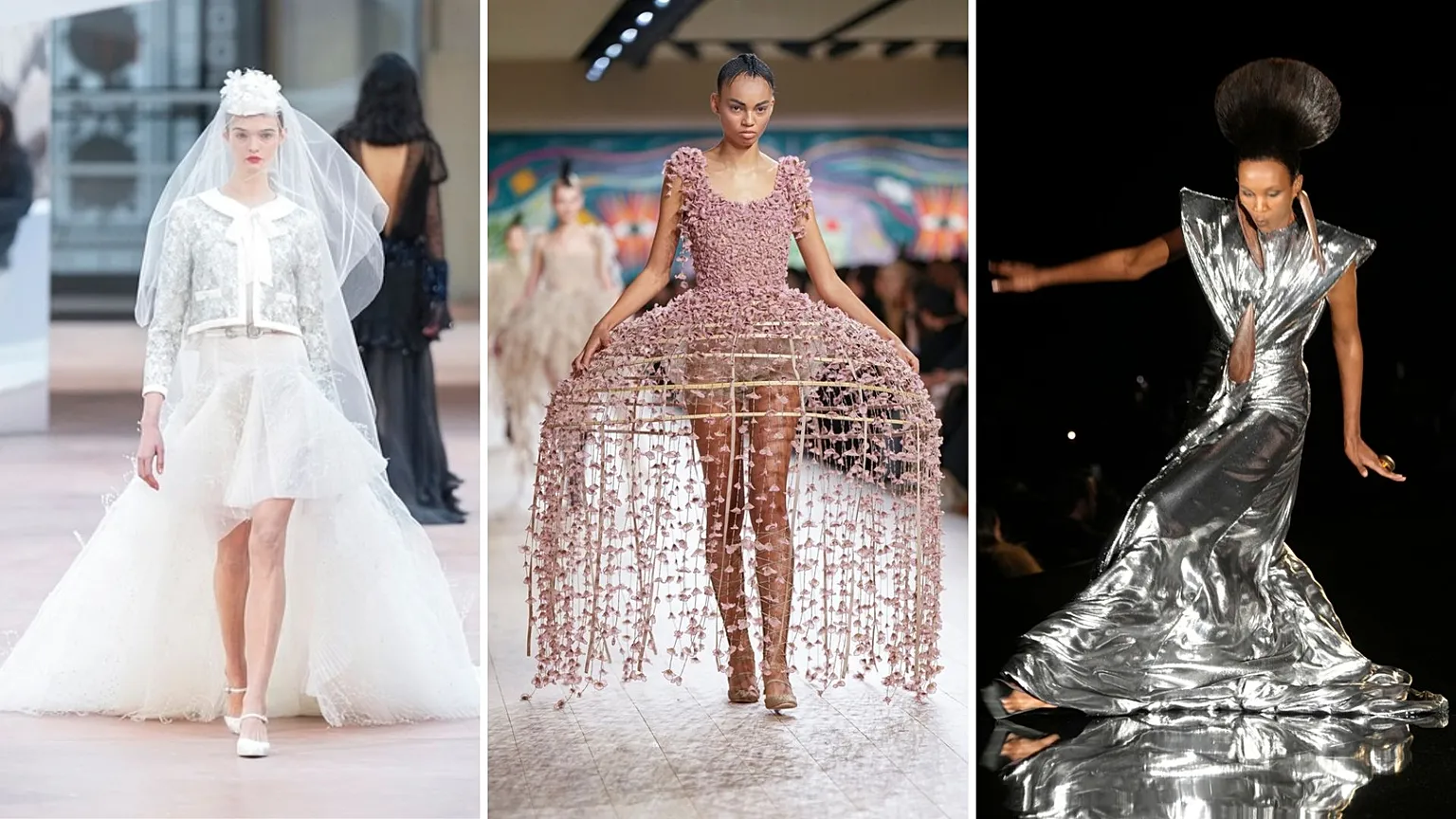
Fashion Week has become one of the most powerful cultural and commercial events in the modern world, influencing everything from luxury brands and streetwear to celebrity culture, digital fashion, and global aesthetics. In this massive, in-depth guide, we will explore every angle of fashion_week, how it works, how trends are born, why designers rely on it, and how audiences worldwide follow it with more excitement every season. As the global fashion industry continues to evolve, the role of fashion_week becomes more impactful, more digital, and more culturally rich. For bloggers, designers, shoppers, influencers, and students, understanding fashion_week is the key to unlocking the true dynamics of the fashion world.
What Is Fashion Week? A Complete Breakdown of the Industry’s Biggest Event
Fashion Week is a series of global fashion events held in major cities such as New York, Paris, Milan, and London, where designers showcase their latest collections for upcoming seasons. From extravagant runways to minimalist presentations, every fashion_week brings an extraordinary explosion of creativity that shapes the future of style. Over the decades, fashion_week has grown from niche gatherings for elite buyers to worldwide spectacles streamed online, covered by influencers, and followed by millions. Today, it stands at the intersection of culture, technology, and business.
Fashion week is no longer just about clothes; it is about storytelling, identity, sustainability, digital expression, and global communication. As designers merge tradition with innovation, fashion_week becomes a mirror that reflects society’s evolution. Whether it is haute couture or ready-to-wear, each runway show influences trends that will soon appear on red carpets, streets, and social media feeds.
The History and Evolution of Fashion Week
Fashion Week did not appear overnight; it emerged from decades of creative experimentation, societal changes, and the business needs of the global fashion industry. Today’s grand events owe their origins to the early 20th century when designers began holding private salon sessions for elite clients. Over time, these small gatherings evolved into the coordinated, globally recognized fashion_week schedule we see today.
The Birth of Modern Fashion Week
The first organized fashion week was held in New York in 1943 during World War II, when travel restrictions prevented buyers from visiting Paris. This event marked a turning point: the United States began shaping the global fashion narrative. Soon after, Paris, Milan, and London joined the calendar, forming the famous “Big Four Fashion Weeks.”
The Rise of Digital Fashion Weeks
During the pandemic, fashion week underwent a revolutionary shift: virtual runways, 3D fashion shows, digital clothing, and metaverse fashion concepts. This evolution expanded the global audience dramatically, allowing millions to attend fashion_week from their phones or laptops. Today, even with in-person events restored, digital viewership remains a key component of fashion_week culture.
Why Fashion Week Matters to Brands, Models, and the Fashion Industry
Fashion Week plays a crucial role for everyone involved — from designers and models to buyers, editors, influencers, and the global economy. Every show is more than a presentation; it’s a strategic business moment.
Fashion Week for Designers
For designers, fashion week is the ultimate platform to showcase their creative identity. A single runway moment can transform a new designer into an international star. The exposure, press coverage, and brand partnerships that emerge from a strong fashion_week debut can define a designer’s entire career.
Fashion Week for Models
Models view fashion week as one of the most important stages of their profession. Walking in major shows like Chanel, Dior, Versace, or Louis Vuitton signals prestige and opens the door to magazine covers, endorsements, and international fame. Many top models gained recognition solely through their iconic fashion_week moments.
Fashion Week for Media and Influencers
The rise of social media has made influencers central figures at fashion_week. Front rows are filled with digital creators live-streaming shows, reviewing collections, and shaping global trends. Their real-time content offers immediate reactions, expanding the reach of every event.
The Big Four Fashion Weeks – A Deep Dive Into Global Style Capitals
When people talk about fashion_week, they often refer to the major events in New York, London, Milan, and Paris. Each city has its own personality, its own fashion culture, and its own influence on global style.
New York Fashion Week – The Power of American Fashion
New York Fashion_Week (NYFW) represents boldness, modernity, and commercial appeal. Known for streetwear influences, diversity, and innovative marketing, NYFW sets trends that shape American and global markets.
NYFW Aesthetic and Signature Trends
NYFW often focuses on wearable styles, oversized silhouettes, modern tailoring, and inclusive designs. Street fashion during New York fashion_week is just as influential as the runways, making the entire city a stage.
London Fashion Week – Experimental & Artistic Expression
London Fashion_Week is known for creative risk-taking, avant-garde silhouettes, and young designers pushing boundaries. Many groundbreaking trends begin here.
Emerging Designers in London
Fashion schools like Central Saint Martins supply new talent each season, making London fashion_week a hotspot for fresh ideas that later influence Paris and Milan.
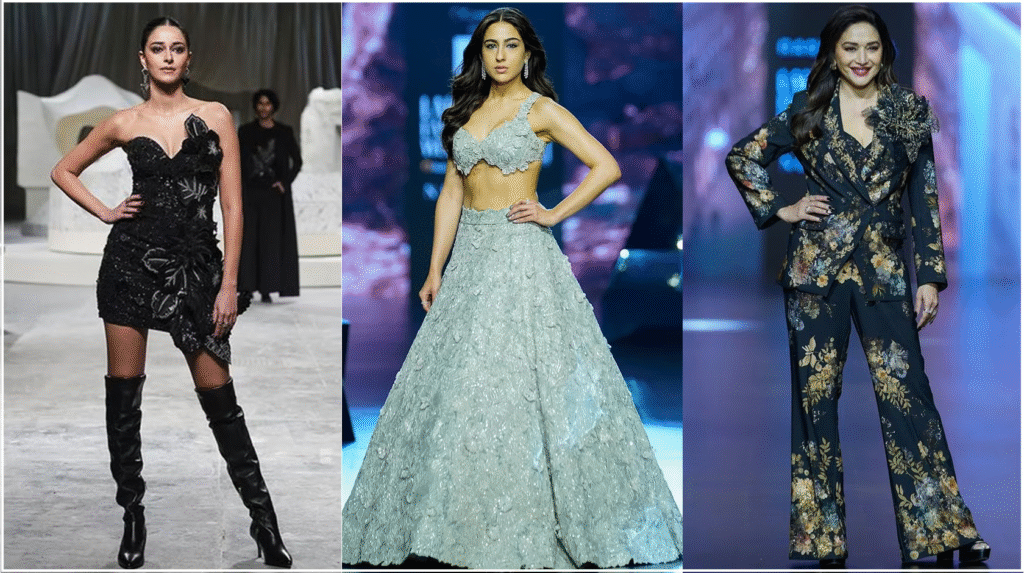
Milan Fashion Week – The Home of Luxury Craftsmanship
Milan is synonymous with luxury, tailoring, sophistication, and heritage. Brands like Gucci, Prada, Versace, and Dolce & Gabbana dominate the scene.
Italian Craft and Tradition
Milan fashion week highlights Italian excellence: handcrafted fabrics, detailed embroidery, leatherwork, and precision tailoring. It is one of the most glamorous stops in the global fashion calendar.
Paris Fashion Week – The Crown Jewel of Global Fashion
Paris Fashion_Week (PFW) is considered the most prestigious. Haute couture, luxury brands, and iconic fashion houses make Paris the ultimate fashion destination.
Haute Couture in Paris
Only Paris holds official haute couture shows recognized by the French Federation. This elite category showcases surreal, artistic, hand-crafted pieces that represent the height of creativity in fashion_week.
Behind the Scenes – How Fashion Week Actually Works
Most audiences see the runway moments, but they rarely understand the months of preparation behind fashion week. Every show involves hundreds of professionals.
Planning and Creative Direction
Designers create concepts, sketches, color palettes, and themes long before fashion_week begins. Moodboards, fittings, fabric selections, and runway set designs form the creative foundation of every show.
Casting, Rehearsals, and Styling
Models practice choreography, stylists confirm looks, makeup artists finalize designs, and directors arrange the pacing of the show. Backstage at fashion_week is famously chaotic but thrilling.
Media Coverage and PR Strategy
Fashion_week is a marketing engine. Press releases, influencer partnerships, live streams, and backstage interviews give designers global visibility.
Trends Born From Fashion Week and How They Shape Global Style
Every season, fashion_week introduces new styles that trickle down into mainstream fashion. From color trends to silhouettes, everything seen on the runway influences what appears in stores months later.
Seasonal Color Trends
Fashion_week often sets the color palette for the year — from pastels and neon to earthy tones and metallics.
Fabric and Texture Innovations
Runways reveal new fabric treatments, sustainability breakthroughs, and futuristic materials that inspire the textile industry.
Celebrity Influence on Trends
Celebrities attending fashion_week generate viral fashion moments that shape red-carpet culture and social media trends.
The Business of Fashion Week – A Billion-Dollar Industry
Beyond creativity, fashion week is a massive economic powerhouse. Designers, retailers, advertisers, hotels, and tourism industries rely on these events for revenue.
Brand Deals and Sponsorships
From makeup brands to beverage companies, many businesses invest in fashion_week for visibility.
Buyer and Retail Impact
Buyers from global stores attend shows to decide what merchandise they will stock, making fashion_week essential for global retail planning.
Economic Impact on Host Cities
Each fashion_week brings millions in revenue through hotel bookings, transportation, dining, and tourism.
The Future of Fashion Week – Technology, Sustainability, and Virtual Reality
As the world evolves, fashion week adapts. The next era will be shaped by digital creativity, eco-fashion, and immersive technology.
Virtual Runways and the Metaverse
Digital fashion shows, AR outfits, and metaverse events are becoming central to the fashion_week experience.
Sustainability as a Priority
Eco-friendly collections, slow fashion initiatives, upcycling, and green fabrics are becoming core to modern fashion_week themes.
Global Inclusivity
Fashion week is becoming more diverse and inclusive, with models of different body types, backgrounds, and ages walking the runway.
Final Thoughts – Why Fashion Week Will Always Be a Global Cultural Icon
Fashion Week is more than a series of shows — it is the heartbeat of global style innovation. It inspires designers, empowers models, fuels influencers, and shapes the very way society dresses. Whether you are a fashion lover, a business owner, a blogger, or a trend follower, understanding fashion_week gives you insight into how creativity becomes culture.
