


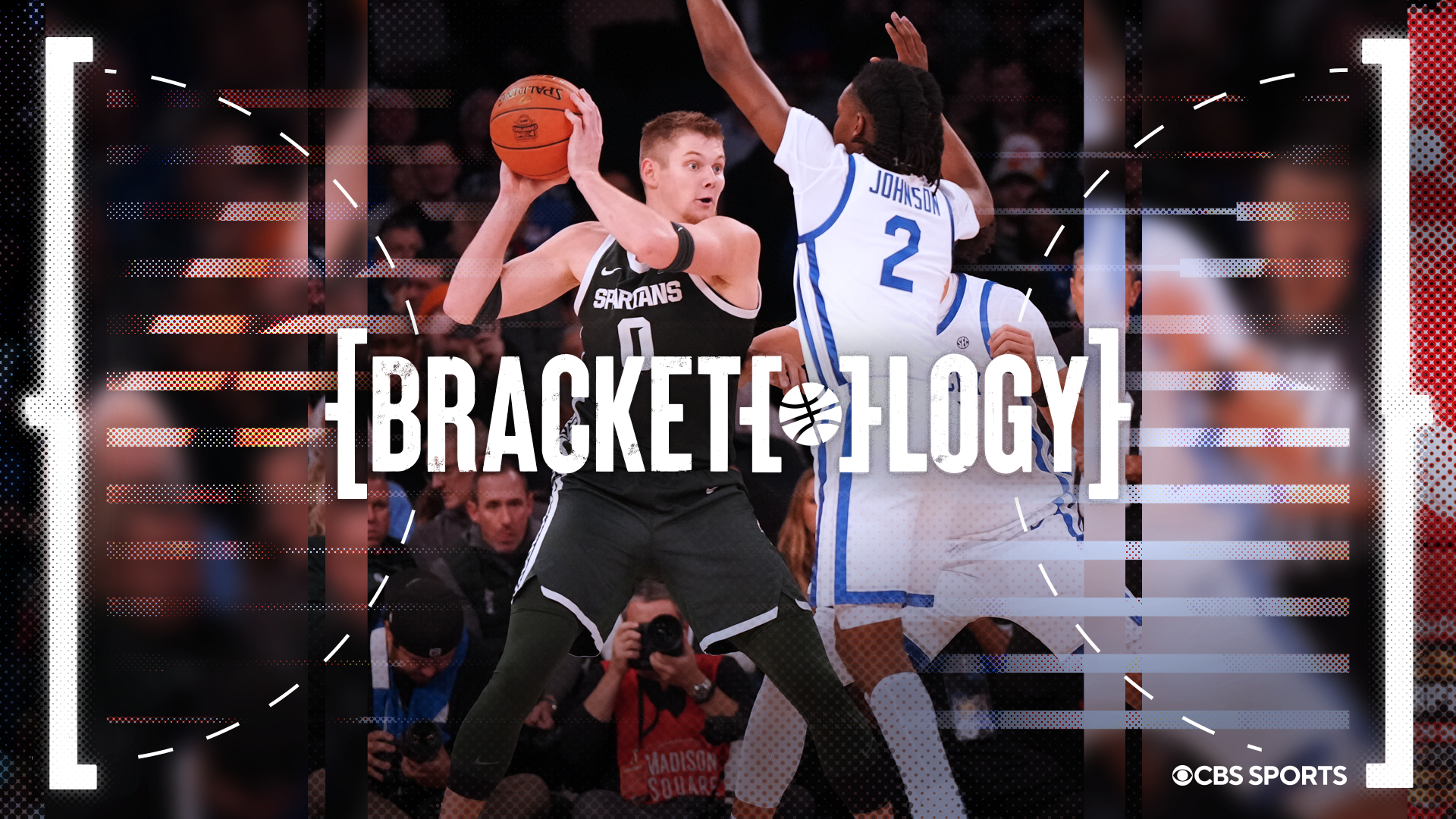
Introduction to Bracketology
Bracketology has become one of the most fascinating aspects of college basketball culture, especially when March Madness approaches and millions of fans around the world fill out brackets with hope, excitement, and the dream of predicting a perfect lineup. Every year, bracketology attracts sports enthusiasts, casual viewers, analytics experts, and basketball lovers who try to understand trends, performance data, team statistics, and selection committee decisions to forecast how the NCAA tournament will unfold. Brackestology is no longer just a fun hobby; it has evolved into a strategic art that involves deep analysis and understanding of college basketball dynamics. Whether you are new to the world of brackestology or have been crafting brackets for years, there is always something new to learn because the tournament is unpredictable, filled with surprises, upsets, Cinderella stories, and unforgettable moments. The science of brackestology aims to study patterns, analyze probabilities, and help fans make educated predictions to improve their chances of success.
What Is Bracketology? A Deep Dive into the Concept
Bracketology, at its simplest definition, refers to the practice of predicting the NCAA basketball tournament field, determining which teams will qualify, evaluating their seeding, and forecasting each round of matchups all the way to the championship. The term “brackestology” was originally popularized by ESPN analyst Joe Lunardi, who applied statistical methods, historical trends, strength-of-schedule analysis, and real-time performance metrics to accurately predict which teams would make the tournament. Today, bracketology has expanded far beyond expert analysts. Fans across the world participate in brackestology challenges, betting pools, and prediction games, making the concept a major feature of March Madness culture. Brackestology is used by sports broadcasters, analysts, online platforms, betting sites, and universities to engage fans while offering insights into team potential and tournament structure.
Why Bracketology Matters for Basketball Fans
Bracketology is more than a prediction game; it is a way for fans to feel more connected to the sport, understand team dynamics, and follow college basketball more passionately. With brackestology, fans enhance their understanding of rankings, seeding, conference performance, player matchups, upset probabilities, and historical team behaviors. This deeper engagement allows fans to appreciate the complexity of college basketball while enjoying the excitement of filled-out brackets. Brackestology also serves as a competitive activity where fans compete with friends, coworkers, and online communities to see who can create the most accurate bracket. The desire to predict outcomes, especially upsets, brings an entirely new level of thrill to the March Madness experience. In addition, brackestology often influences media coverage, social media trends, sports debates, and pre-tournament hype.
History and Evolution of Bracketology
Bracketology began as a niche analytic practice in the early 1990s when sports enthusiasts started creating systems to predict NCAA tournament selections. The internet rapidly expanded the reach of brackestology, allowing college basketball fans to access real-time statistics, expert predictions, and ranking tools. In 1997, ESPN introduced the first widely recognized “Brackestology” projection model, which turned the concept into a national phenomenon. Over the years, brackestology has evolved alongside advancements in data analytics, machine learning, and digital platforms. Today, fans can access predictive models, computer simulations, win-probability charts, injury reports, and seeding forecasts instantly. With the rise of sports technology, brackestology has reached new heights, offering fans more precise tools than ever before, although the unpredictable nature of March Madness still keeps the game thrilling.
Understanding NCAA Tournament Structure for Better Bracketology
To master bracketology, it is crucial to understand how the NCAA tournament works. The selection committee chooses 68 teams, including automatic qualifiers and at-large bids. Teams are divided into regions and seeded from 1 to 16. Brackestology focuses on analyzing this structure to predict round-by-round matchups. The tournament includes the First Four, First Round, Second Round, Sweet 16, Elite Eight, Final Four, and the Championship game. Each stage has unique patterns and trends that brackestology experts study to improve their predictions. Understanding how regions are determined, how teams are seeded, and how performance metrics influence committee decisions is essential to mastering brackestology.
Key Factors Selection Committee Considers
Bracketology attempts to mimic the NCAA’s decision-making process. Some of the most influential factors include:
Strength of Schedule (SOS)
Teams that play more challenging opponents are often rewarded with better seed placement.
NET Rankings
The NCAA Evaluation Tool (NET) ranks teams using advanced analytics and results-based criteria.
Quality Wins (Quad 1 and Quad 2)
Bracketology heavily uses Quad systems to predict tournament placements.
Road and Neutral Site Records
Winning outside home courts significantly boosts seeding chances.
Conference Strength
Power conferences often receive multiple at-large bids.
Understanding these factors is essential for creating accurate bracketology predictions.

How to Use Bracketology Strategies to Win Your March Madness Bracket
One of the biggest challenges in bracketology is creating a balance between safe predictions and bold upset choices. While higher seeds generally have stronger odds of winning, March Madness is known for shocking upsets that make or break brackets. Effective brackestology strategies involve analyzing historical trends, team weaknesses, coaching experience, late-season performance, and statistical matchups. Many fans make the mistake of following their emotions instead of logic, but brackestology encourages data-based decisions.
Analyzing Matchups in Bracketology
Bracketology involves careful evaluation of matchups at every stage. A No. 12 seed upsetting a No. 5 seed is one of the most common brackestology patterns, and many fans use this tendency to craft their brackets. Similarly, No. 8 vs. No. 9 matchups are almost always unpredictable and require detailed statistical analysis. Brackestology experts also study offensive efficiency, defensive strength, turnover rates, rebounding percentages, and three-point shooting accuracy to determine potential outcomes. Teams with strong defense often perform better in the tournament, and brackestology predictions frequently highlight defensive metrics as a key indicator of Final Four potential.
Predicting Upsets Using Bracketology
Upsets are the heart of bracketology. Every year, unexpected victories occur that destroy millions of brackets. Mastering upset prediction requires studying underdog teams, analyzing their style of play, reviewing season-long patterns, and understanding how they match up against higher-ranked teams. Brackestology experts often identify mid-major teams with seasoned players or strong coaches as potential upset creators. These teams may not have the same level of national attention as power conference rivals, but brackestology reveals their ability to shock audiences during the tournament.
Advanced Bracketology Techniques for Serious Predictors
As bracketology has become more popular, beginners and experts alike have developed advanced techniques to improve bracket accuracy. These include statistical models, probability simulations, algorithm-based predictions, and data-driven forecasting. Many platforms now offer computer-generated brackets that simulate millions of outcomes to create the most probable tournament results. These tools help fans improve their brackestology skills, but even the most advanced models cannot fully predict the excitement and unpredictability of March Madness.
Machine Learning in Bracketology
Machine learning has revolutionized the field of bracketology. Models analyze decades of historical data to identify patterns and outcome probabilities. These models consider hundreds of variables, including offensive efficiency, defensive efficiency, player height, rebound rates, coaching experience, free-throw accuracy, and tournament seeding. While machine learning improves overall prediction accuracy, brackestology still involves human judgment because of unforeseen factors like injuries, momentum, and performance under pressure.
Psychological Factors in Bracketology Predictions
One overlooked aspect of bracketology is human psychology. Teams with higher confidence, stronger team chemistry, and experienced coaching staff often outperform expectations. Additionally, fan pressure, media attention, and emotional momentum after big wins influence team performance. Successful brackestology acknowledges that basketball is not just numbers; it is an emotional and psychological game that often hinges on motivation and mental strength.
Bracketology Tips for Beginners
If you are new to bracketology, do not worry—everyone starts somewhere. Begin by studying the tournament structure, focusing on seeding patterns, and learning about key statistics such as NET rankings and efficiency ratings. Understand that No. 1 seeds rarely lose early, while mid-level seeds often produce the most dramatic upsets. Brackestology is about finding the balance between safe choices and bold predictions. Start by choosing strong teams for the Final Four, then look for upset opportunities in earlier rounds.
Common Bracketology Mistakes to Avoid
Some of the biggest bracketology mistakes include:
- Choosing too many upsets
- Relying only on team reputation
- Ignoring defensive metrics
- Choosing a champion based on emotion, not data
- Forgetting historical trends
To improve brackestology results, avoid these pitfalls and approach your predictions with both logic and creativity.
The Future of Bracketology
Bracketology will continue evolving as technology and analytics advance. Artificial intelligence, predictive algorithms, real-time data tracking, and performance monitoring tools will make brackestology more sophisticated and accurate. Additionally, fan engagement will increase with more interactive platforms, mobile apps, and global participation. Brackestology has transformed from a seasonal tradition into a year-round analytical discipline that merges sports excitement with statistical science.
Conclusion: Why Bracketology Will Always Be Exciting
Bracketology will always remain a thrilling mix of prediction, strategy, and unpredictability. Whether you are a beginner or a seasoned expert, brackestology provides a deeper connection to college basketball and enhances the excitement of March Madness. No matter how advanced analytics become, the magic of the tournament ensures that surprises remain possible, and brackestology continues to thrive as a beloved sports tradition.
